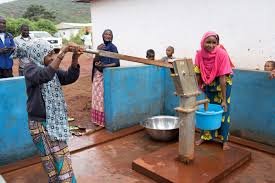
Clean Water and Sanitation Access in Cameroon: A Lifeline for Health and Dignity
-
by
admin
- No Comments on Clean Water and Sanitation Access in Cameroon: A Lifeline for Health and Dignity
Why Clean Water and Sanitation Matter
Access to clean water and proper sanitation is a basic human right. Yet in many parts of Cameroon, this essential resource remains a daily struggle. From rural villages to urban slums, families face significant challenges in securing safe water for drinking, cooking, and hygiene. Without reliable access to clean water, communities are left vulnerable to waterborne diseases, malnutrition, and economic stagnation.
At Haicam, we believe that access to clean water and sanitation is not just about health—it’s about dignity, empowerment, and opportunity. Through sustainable development projects, education, and infrastructure support, we are transforming the lives of Cameroonian families—one well, one latrine, and one hygiene training session at a time.
The Water Crisis in Cameroon: A Reality Check
Rural Areas Struggle the Most
Over 40% of Cameroon’s population lives in rural communities where access to clean water is limited. Many families must walk miles to reach a water source, often a polluted river or unprotected spring. This journey is typically undertaken by women and children, who sacrifice valuable time that could be spent in school or working.
Urban Water Access is Inconsistent
Even in cities like Yaoundé and Douala, water access is uneven. Aging infrastructure, inconsistent supply, and overcrowded urban settlements make it difficult for marginalized communities to access clean and safe water regularly.
Sanitation Lags Behind
Only 37% of Cameroonians have access to improved sanitation facilities. Open defecation, lack of hygiene education, and poor waste management further increase the risk of diseases such as cholera, dysentery, and typhoid fever.
The Health Impact: Unsafe Water Costs Lives
Unsafe water and poor sanitation contribute to the spread of preventable diseases:
- Diarrhea: A leading cause of child mortality in Cameroon.
- Malnutrition: Illnesses caused by unclean water lead to nutrient loss and poor child development.
- Skin Infections and Parasitic Diseases: Common in areas without basic sanitation.
According to UNICEF, thousands of children under five die every year in Cameroon due to diarrhea and other preventable diseases linked to poor water quality and sanitation.
Haicam’s Clean Water and Sanitation Programs
At Haicam, our mission is clear: to create sustainable access to clean water and improve sanitation for vulnerable communities in Cameroon. Here’s how we’re doing it:
1. Borehole Drilling and Safe Wells
We identify high-need areas and partner with local engineers to drill boreholes equipped with hand pumps or solar-powered systems. These provide safe, reliable drinking water for entire villages.
Impact: Each borehole serves up to 1,500 people and dramatically reduces waterborne disease rates.
2. Rainwater Harvesting Systems
In schools and community centers, we install rainwater harvesting systems to collect and store clean water during the rainy season. This reduces dependence on unsafe sources.
Impact: Schools are better equipped to provide clean drinking water and improve hygiene for students.
3. Sanitation Infrastructure Projects
We build and rehabilitate latrines and handwashing stations in public spaces, especially schools and clinics. Our designs are eco-friendly and accessible for people with disabilities.
Impact: Improved hygiene infrastructure helps reduce disease outbreaks and promotes dignity.
4. Hygiene Education and Community Training
Behavior change is as important as infrastructure. We train communities in handwashing, menstrual hygiene, waste management, and water treatment.
Impact: Increased awareness leads to long-term health improvements and stronger community engagement.
Empowering Women Through Water Access
Access to clean water transforms the lives of women and girls in particular. In rural Cameroon, women are often responsible for collecting water. This time-consuming chore affects their ability to earn income, pursue education, or care for their families.
Haicam’s water projects help:
- Reduce the time spent fetching water.
- Ensure girls stay in school.
- Enable women to engage in economic activities.
When women have access to water at their doorstep, they gain independence and power to build a better future.
Water and Education: A Vital Link
Children are among the most affected by poor sanitation and lack of clean water. Our programs ensure:
- Clean drinking water at schools
- Functional toilets with separate facilities for girls
- Hygiene clubs and health education
Result: Better school attendance, especially for girls, and fewer absences due to illness.
Sustainability at the Core
Haicam doesn’t just provide short-term solutions. We are committed to long-term sustainability by:
- Training local water committees to manage and maintain systems
- Using solar-powered pumps to reduce environmental impact
- Partnering with local governments and NGOs for technical support and policy advocacy
We believe that local ownership is essential for the success and longevity of any clean water project.
Collaborations and Partnerships
Our impact is made possible through partnerships with:
- Local community leaders and volunteers
- International development agencies
- Corporate sponsors and philanthropic organizations
These collaborations allow us to scale our efforts and ensure accountability and transparency at every level.
Real Stories: Changing Lives with Clean Water
Story 1: Marie from Bamenda
Marie, a mother of three, used to wake up at 4 a.m. to fetch water. Now, thanks to a nearby borehole installed by Haicam, her children drink clean water, and she has started a small soap-making business using water from the borehole.
“I never thought water would give me a second chance at life. My children are healthier, and I have income,” she says.
Story 2: Clean Water in the Classroom
In a primary school in the Southwest Region, Haicam’s rainwater harvesting system means students now have access to drinking water and functioning toilets. Teachers report improved attendance and concentration among pupils.
The Role of Technology in Water Access
We are exploring smart solutions such as:
- Water sensors and monitoring tools to track usage and detect breakdowns
- Mobile data collection for impact assessment and community feedback
- GIS mapping to identify underserved regions and optimize resource allocation
Digital innovation helps us stay efficient, transparent, and results-driven.
How You Can Help
Haicam’s work depends on the generosity of supporters like you. There are many ways to contribute:
- Donate: Support a clean water project or fund the construction of a latrine.
- Volunteer: Join our local teams or support remotely with your skills.
- Fundraise: Organize a water walk, school campaign, or online fundraiser.
- Partner: Collaborate with us as a corporate or NGO partner.
Every contribution counts and brings us closer to a Cameroon where clean water is a reality for all.
Conclusion: Clean Water is Hope
Access to clean water and sanitation is more than a goal—it’s a catalyst for health, education, gender equality, and sustainable development. At Haicam, we’re not just digging wells; we’re digging the foundation for a brighter future.
Together, we can ensure that every child in Cameroon grows up with clean water to drink, a safe toilet to use, and a community that supports their health and dignity.
📌 Let’s Make a Difference.
Donate today or become a water ambassador with Haicam.
Support Now
